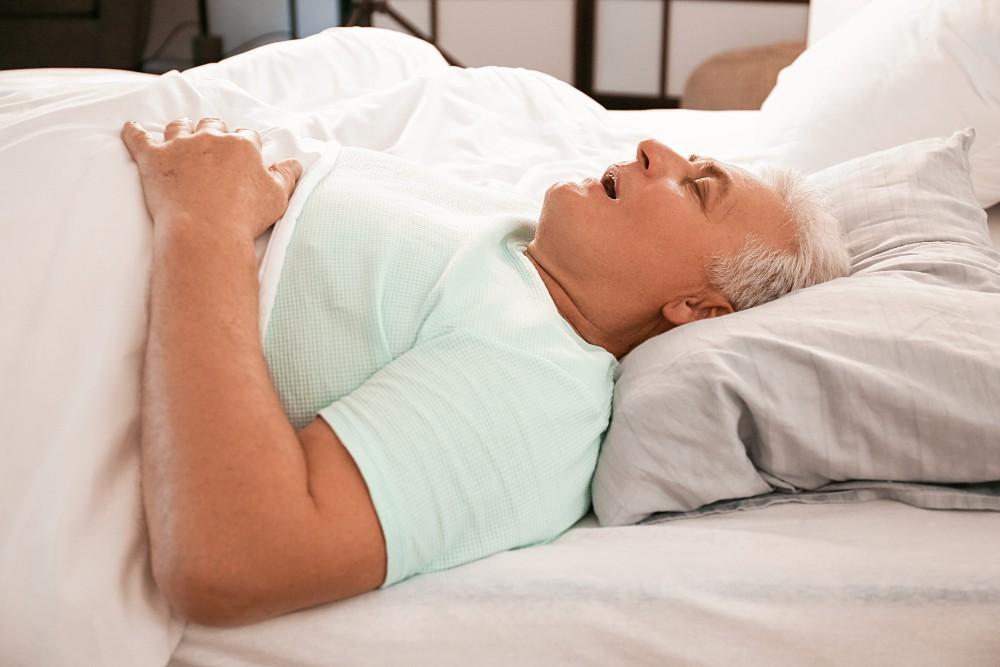
Frequent loud snoring and excessive daytime sleepiness can be signs of sleep apnea. However, this widespread sleep disorder can have effects that extend beyond daytime tiredness and disruptions to a partner’s sleep.
Sleep apnea causes repeated pauses in breathing while you sleep. Each pause can lower your oxygen level and briefly wake up your brain so you can start breathing again. You may not remember these awakenings the next morning, but they can happen dozens, even hundreds, of times each night.
Over time, this cycle of interrupted breathing, low oxygen, and poor-quality sleep can take a toll on your heart, metabolism, and overall health.
Dr. Nehal Mehta and Dr. Prashant Patel at Respacare in Bridgewater, New Jersey, specialize in diagnosing and treating sleep apnea. Here, we explain why it’s important not to ignore the warning signs.
About sleep apnea
Sleep apnea is a condition in which a person’s breathing repeatedly stops and starts while they’re asleep. The most prevalent form is obstructive sleep apnea (OSA). It happens when the muscles at the back of your throat relax too much, allowing the surrounding tissue to block or narrow your airway.
Central sleep apnea (CSA) is a less frequently occurring form of sleep apnea. It happens when the brain doesn’t reliably communicate with the muscles responsible for breathing, causing interruptions in normal respiration during sleep.
Since these episodes occur while you’re asleep, you may be unaware that they’re happening. In response, the brain briefly brings you out of deeper sleep to restart breathing, but these brief awakenings are usually so short that you don’t remember them.
Symptoms vary from person to person, but may include loud snoring, waking up gasping or choking, or morning head pain.
How sleep apnea affects the body
Healthy sleep gives your body time to repair tissue, regulate hormones, support immune function, and prepare your brain for the day ahead. Sleep apnea interferes with this process.
Every breathing interruption can trigger a surge in stress hormones and force your heart and lungs to work harder. Repeated drops in oxygen can also strain blood vessels and affect how your body manages.
The effects on the body develop gradually. You may write off brain fog, fatigue, and mood changes as stress or aging. However, without appropriate treatment, sleep apnea may contribute to serious health problems and increase the risk of developing other medical conditions.
Sleep apnea often co-occurs with other health conditions. While several factors may play a role, untreated sleep apnea can contribute to the development or worsening of these health issues.
Health risks connected to untreated sleep apnea include:
Obesity frequently occurs alongside sleep apnea. Poor sleep affects appetite and makes weight management more difficult, while extra fat around the neck and upper airway can worsen breathing obstruction. This can create a frustrating cycle, but treatment can help.
Treatment options for sleep apnea
A sleep apnea diagnosis may help explain ongoing fatigue and other health challenges. At Respacare, we offer both at-home and in-lab sleep disorder testing to diagnose sleep apnea and determine its severity.
Treatment depends on your needs. Mild sleep apnea may improve with lifestyle changes such as weight loss, smoking cessation, and allergy management. If you have moderate to severe sleep apnea, our medical team may recommend one of the following:
We also provide customized CPAP therapy to help you find the right mask, machine, and pressure setting. We also offer Zepbound®, a weight loss medication FDA-approved to treat moderate to severe OSA.
If you snore loudly, wake up exhausted, or struggle with daytime sleepiness, don’t ignore it. We can complete an evaluation and help determine what’s causing your symptoms and which treatments can help.
Call us today or request an appointment online to set up your consultation.