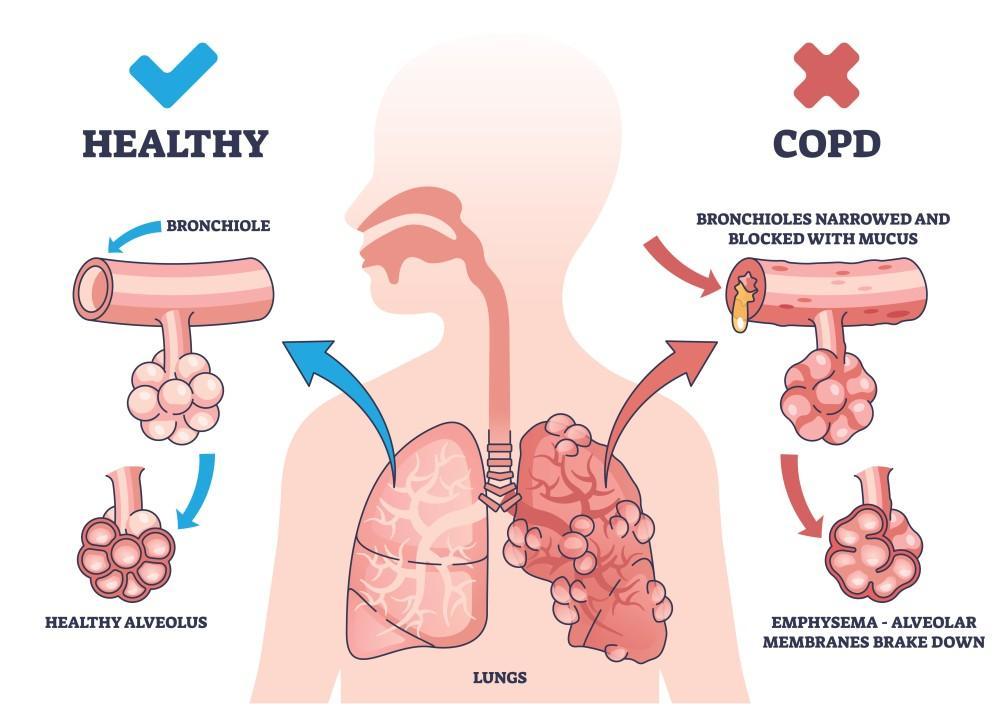
Cold, dry winter air can make breathing harder when you have a breathing disorder such as chronic obstructive pulmonary disease (COPD). Winter may also increase exposure to respiratory infections and indoor irritants, and change your daily routine in a way that makes symptom management more challenging.
Taking proactive steps before the winter season starts may help protect your lungs and reduce the risk of COPD complications.
At Respacare in Bridgewater, New Jersey, Dr. Nehal Mehta and Dr. Prashant Patel share practical ways to winterize your lungs before the first snowstorm.
Why winter is harder with COPD
Cold, dry air can irritate sensitive airways and make breathing more difficult. If you have COPD, drops in temperature may contribute to airway tightening, also called bronchospasm, limiting airflow and triggering coughing, wheezing, and chest tightness.
Dry air may also make mucus thicker and harder to clear from the lungs. When mucus builds up, it can worsen congestion and make breathing less comfortable.
Winter is also peak cold and flu season. These infections can cause more severe symptoms in people with COPD, potentially leading to an exacerbation of symptoms.
Spending more time indoors can also affect your COPD. Closed windows and reduced ventilation may increase exposure to dust, pet dander, or other indoor irritants that tend to aggravate COPD symptoms.
Schedule a pre-winter checkup
A pre-winter visit with your pulmonary doctor is a great first step toward preparing for the season. We can review your symptoms, medications, and inhaler technique to make sure your treatment plan is working as well as possible.
Your visit is also a good time to:
- Test lung function and health
- Review when and how to use your rescue inhaler
- Make sure you have enough medication and refills for winter
- Update your COPD action plan
- Discuss symptoms that warrant a visit to urgent care or the emergency room
We can also update vaccinations so you’re protected against common respiratory infections like the flu, potentially preventing or minimizing the severity of an illness.
Protect your lungs from the cold air
Beyond your medical plan, you can also make changes to how you go about your day to protect your lungs.
Covering your mouth and nose with a scarf or cold-weather face covering before heading outside can warm and moisten the air before it reaches the lungs, reducing irritation. Breathing through your nose instead of your mouth also helps warm and filter the air you breathe in.
If possible, avoid spending long periods outdoors during extreme cold, sudden temperature changes, or poor air-quality days.
Keep your home COPD-friendly
Make your home a comfortable place for your lungs during winter to reduce flare-ups. Keep indoor temperature steady and comfortable, but avoid overheating your home to prevent excessively drying the air.
A humidifier may add moisture to dry indoor air. Be sure to clean it regularly to prevent buildup of mold and bacteria.
Reduce exposure to common indoor COPD triggers by:
- Vacuuming regularly
- Dusting with a damp cloth
- Washing bedsheets weekly
- Skipping wood-burning fireplaces and woodstoves
- Using fragrance-free cleaning products
Smoke, fumes, and strong fragrances can irritate the airways and may cause coughing, wheezing, or shortness of breath.
Stay active during winter
Regular physical activity is an important part of your COPD treatment plan. Exercise can help improve endurance, strengthen muscles used for breathing, and support daily function.
Don’t let the cold weather keep you from your exercise routine. Instead, choose activities that help you maintain fitness without triggering symptoms such as:
Start slowly, take breaks when needed, and follow your doctor’s guidance about using inhalers before physical activity. Remember to breathe through your nose during exercise to lessen lung irritation when taking longer and deeper breaths.
If you experience increased shortness of breath, more frequent coughing or wheezing, or unusual fatigue, call us today or make an appointment online. Early treatment may prevent a manageable flare-up from getting worse.
Call 911 or go to the nearest emergency room if you experience severe difficulty breathing, bluish lips or fingertips, or symptoms that don’t improve with rescue medication.
Preparing for winter starts with a preseason checkup, an updated action plan, and a few lifestyle changes to reduce cold-air and indoor triggers.
Click here now to get help protecting your lungs this winter.